If you wake up suffering from allergies, your pillow may be part of the problem. The good news? Hypoallergenic pillows (and the right protection & care routine) can help reduce your exposure to common bedroom allergens like dust mites.
Below, we’ve created a practical guide to what makes a pillow hypoallergenic and how you can choose a pillow that works for you.
What makes a pillow hypoallergenic?
“Hypoallergenic” means that a product is made from materials and through processes that are less likely to trigger allergic reactions. In bedding, this means that the primary goal is to minimise exposure to common household allergens such as dust mites, mold spores and pet dander which can accumulate in traditional bedding.
What to look for:
Anti-dust mite or antimicrobial treatments
Pillows treated with an anti-dust mite or antimicrobial treatment are designed to reduce common allergens, so looking out for these treatments will help you determine whether they are hypoallergenic.
Low allergen fills and covers
Synthetic fills such as “down alternative” microfibre and polyester fills are commonly chosen for being more hypoallergenic as they are easier to wash and don’t contain feather or down proteins which can attract common allergens.
Washability
Being able to easily wash and maintain the pillow helps reduce allergen build up over time.
Our picks for hypoallergenic pillows
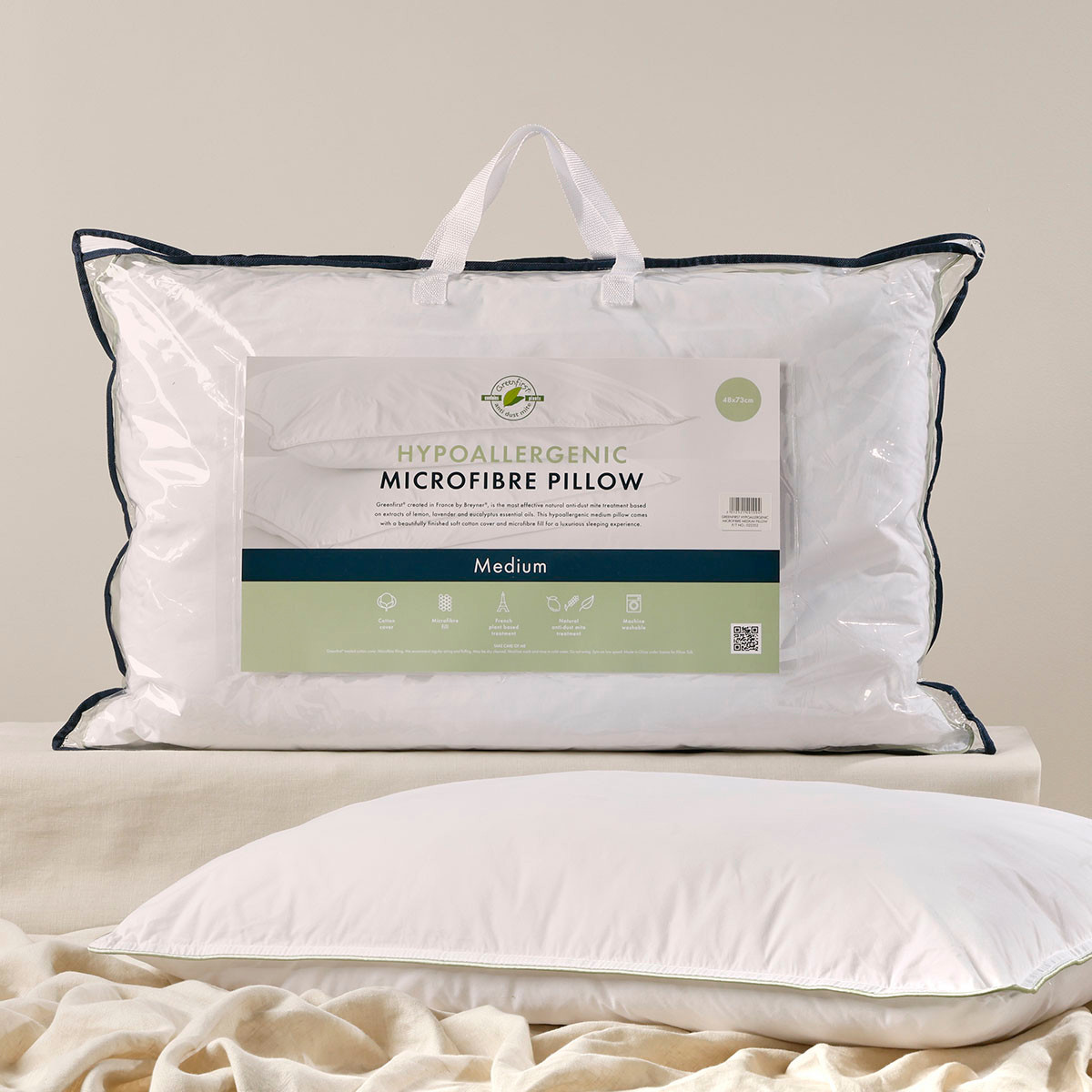
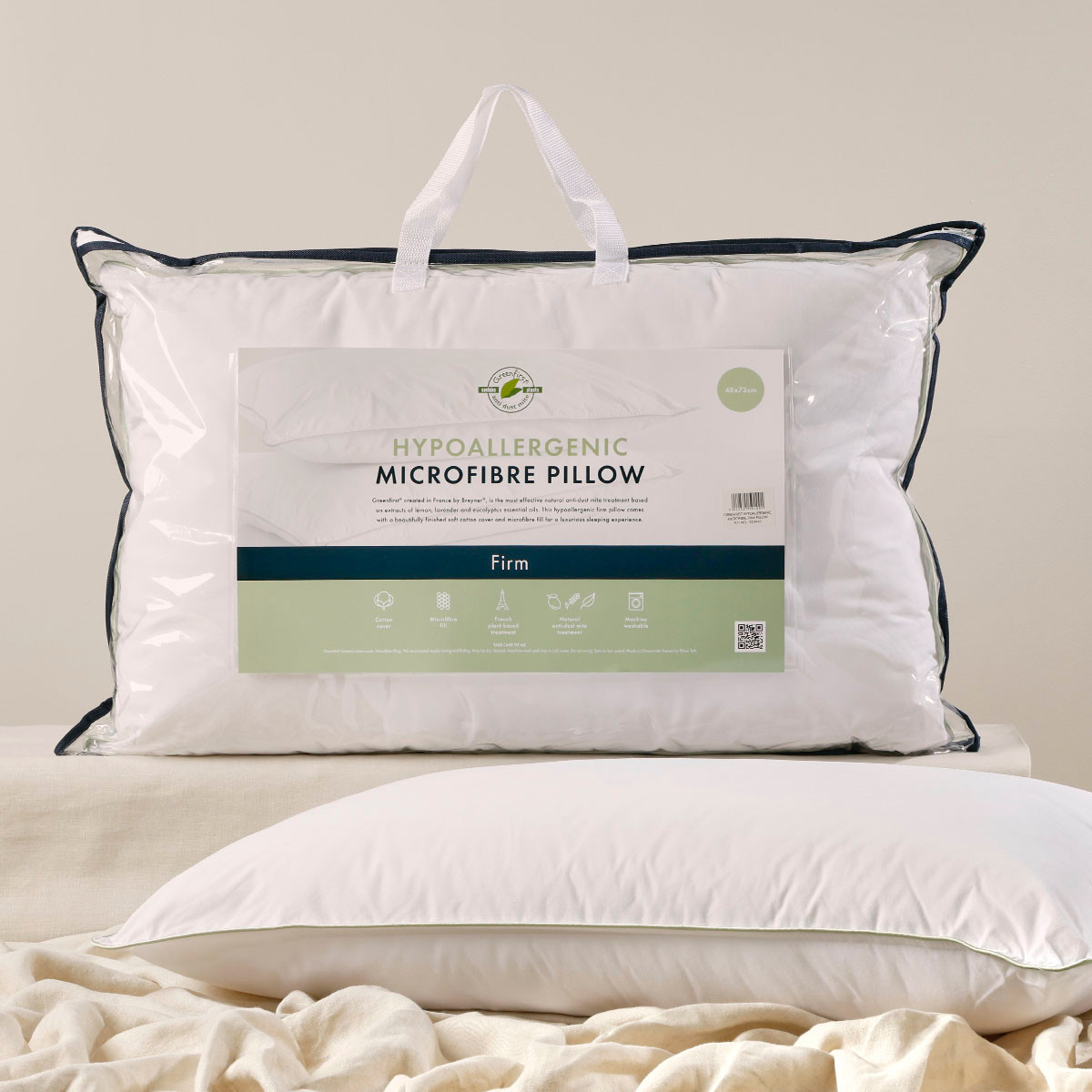
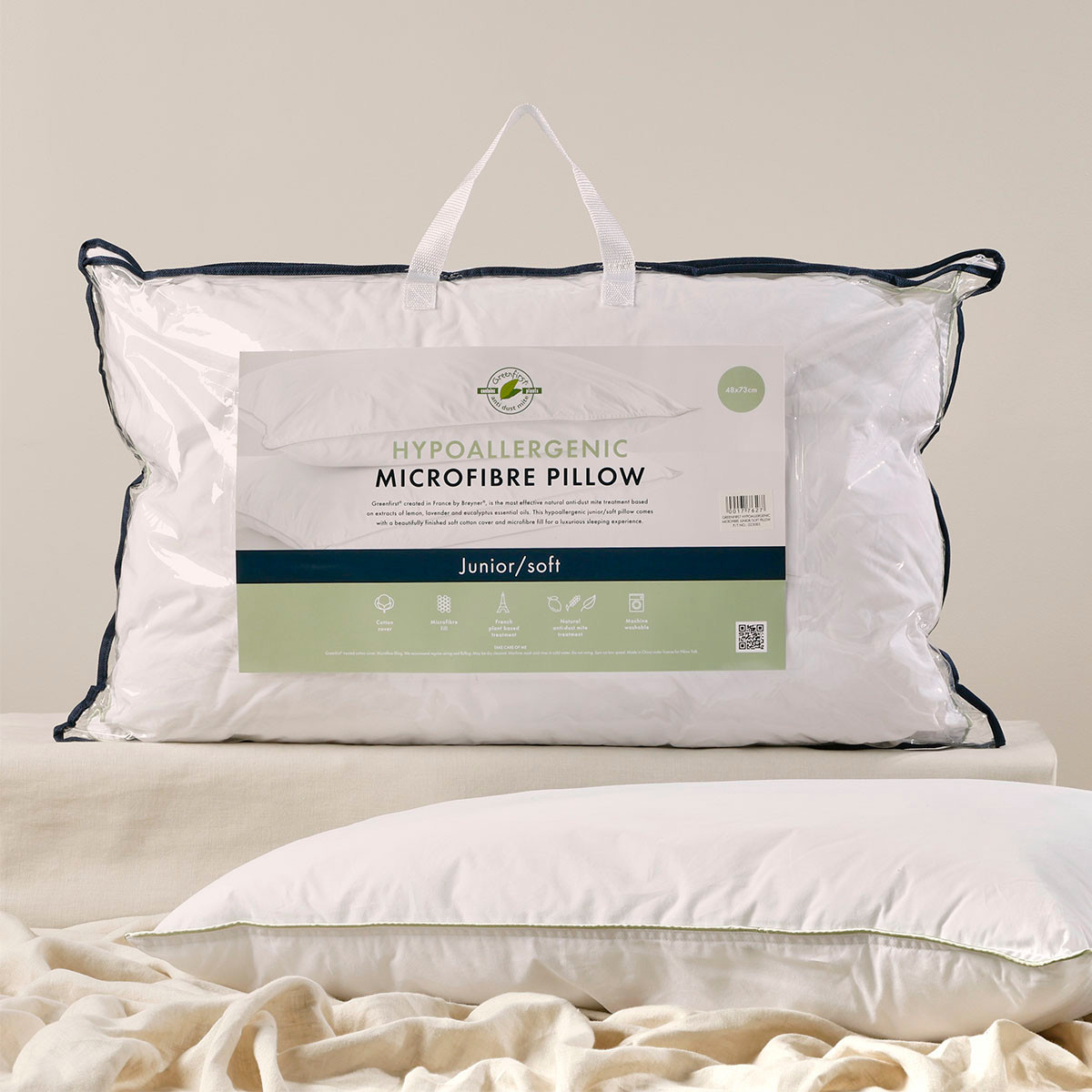
1. Greenfirst® Hypoallergenic Microfibre Pillows
Our Greenfirst® Hypoallergenic range has been treated with a natural anti-dust mite repellent based on extracts of lemon, lavender and eucalyptus essential oils. With a down alternative microfibre fill, this pillow range is also machine washable making it a great option for those who need a hypoallergenic pillow.
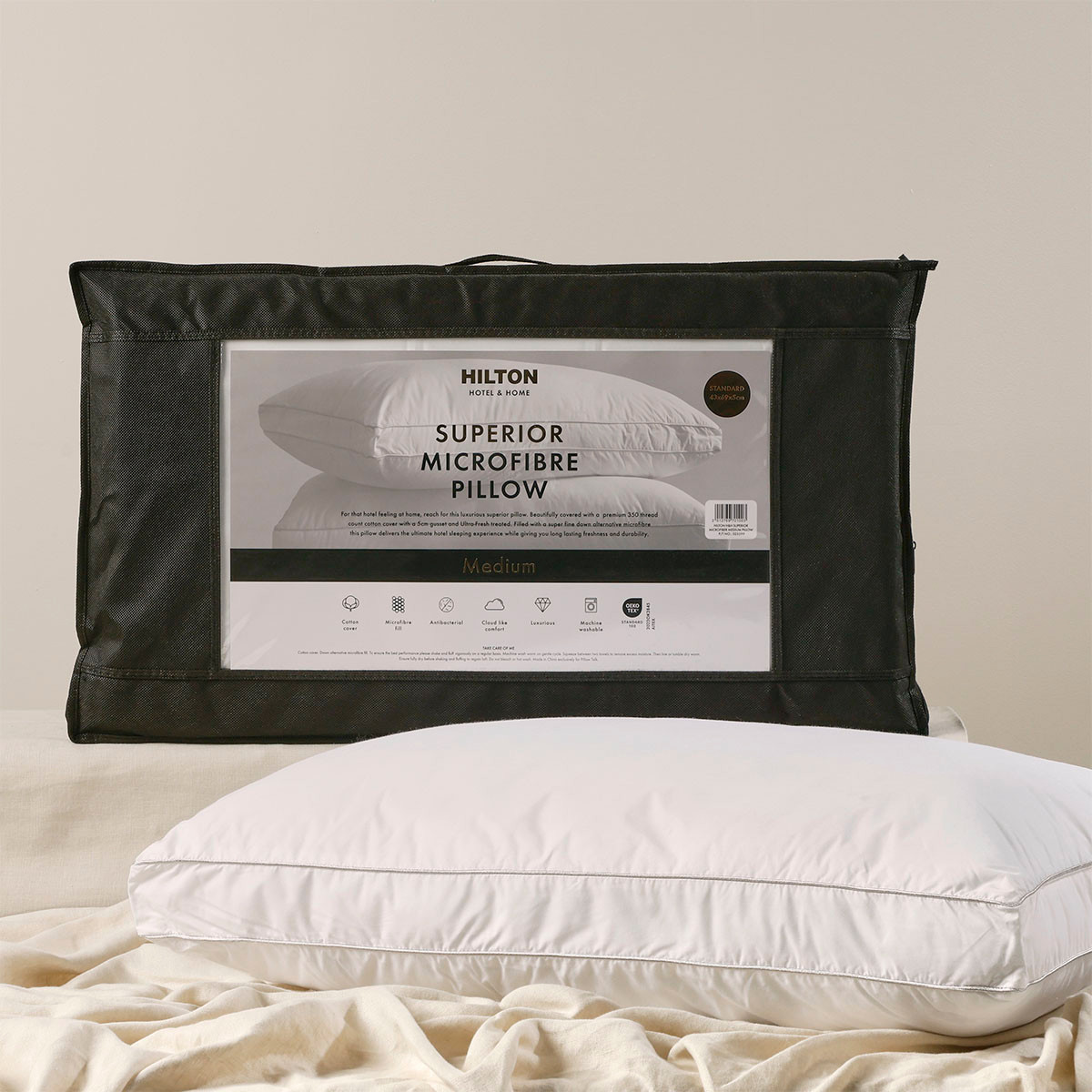
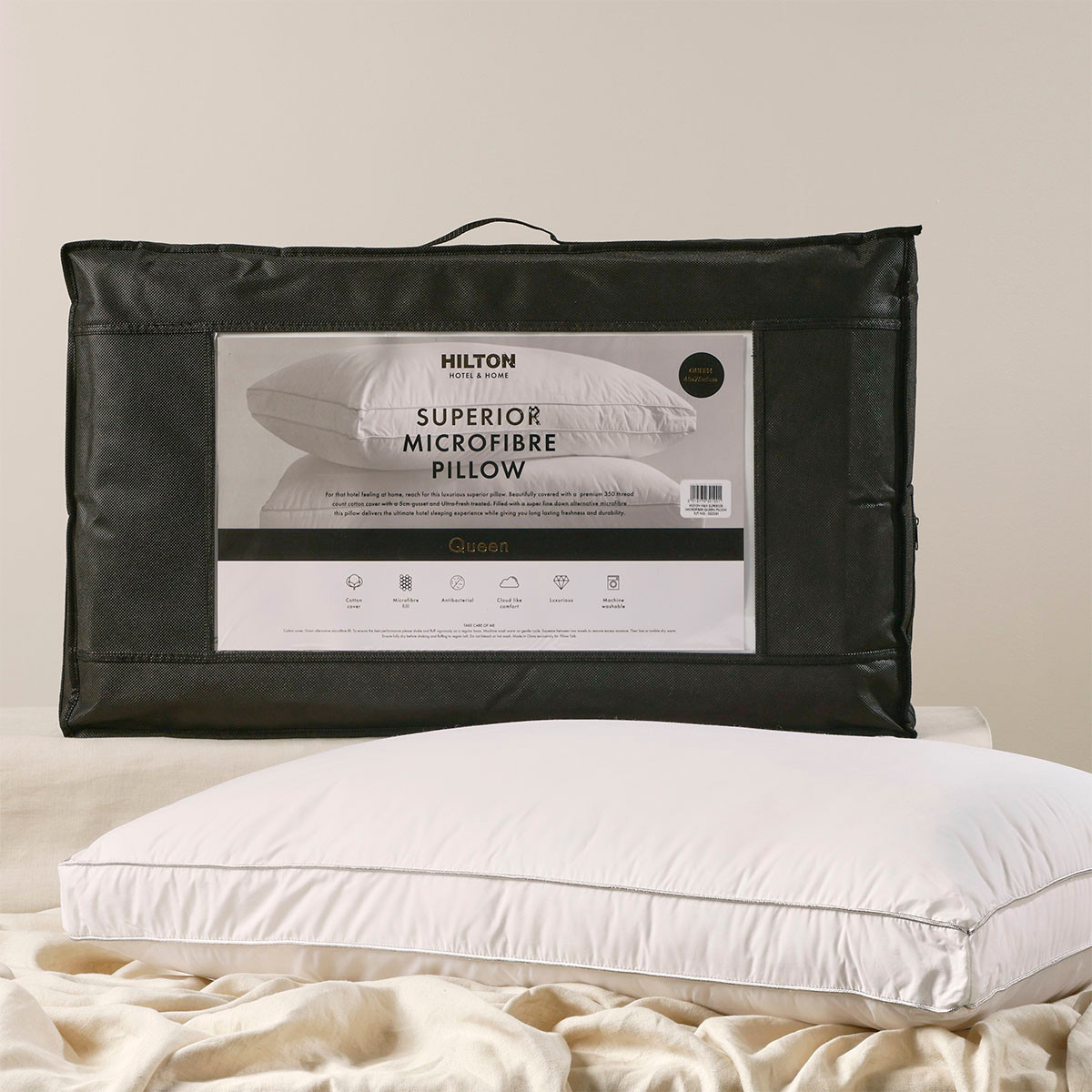
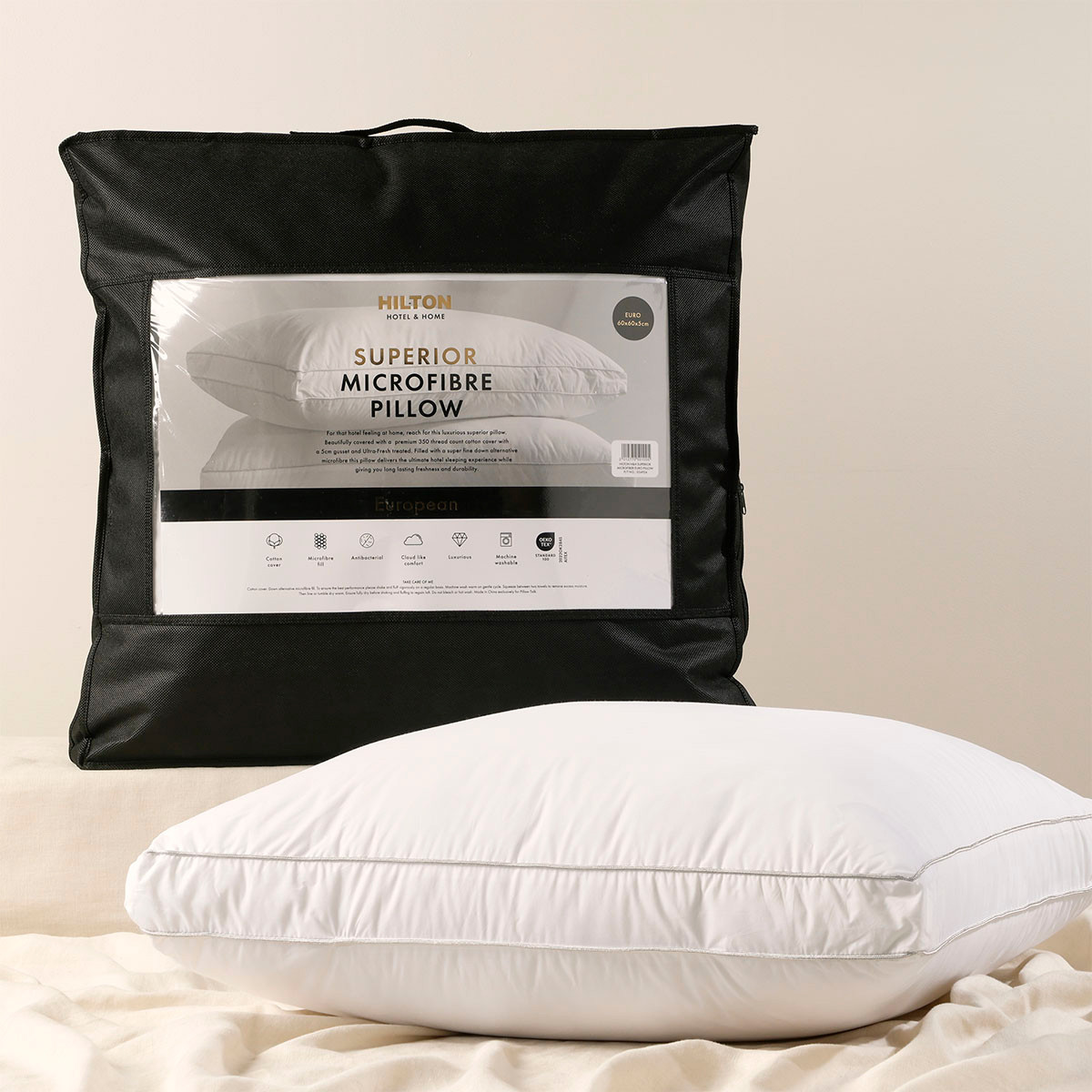
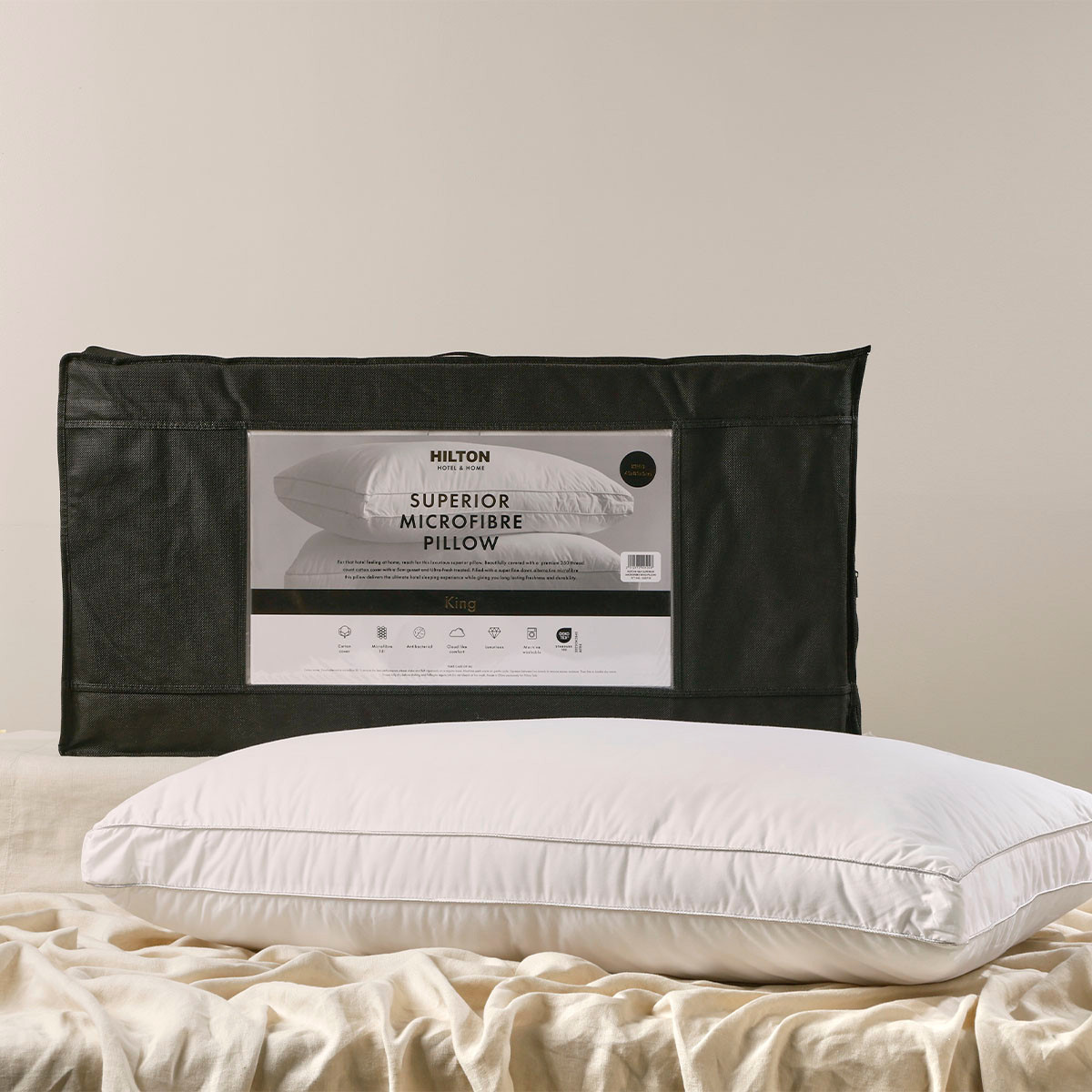
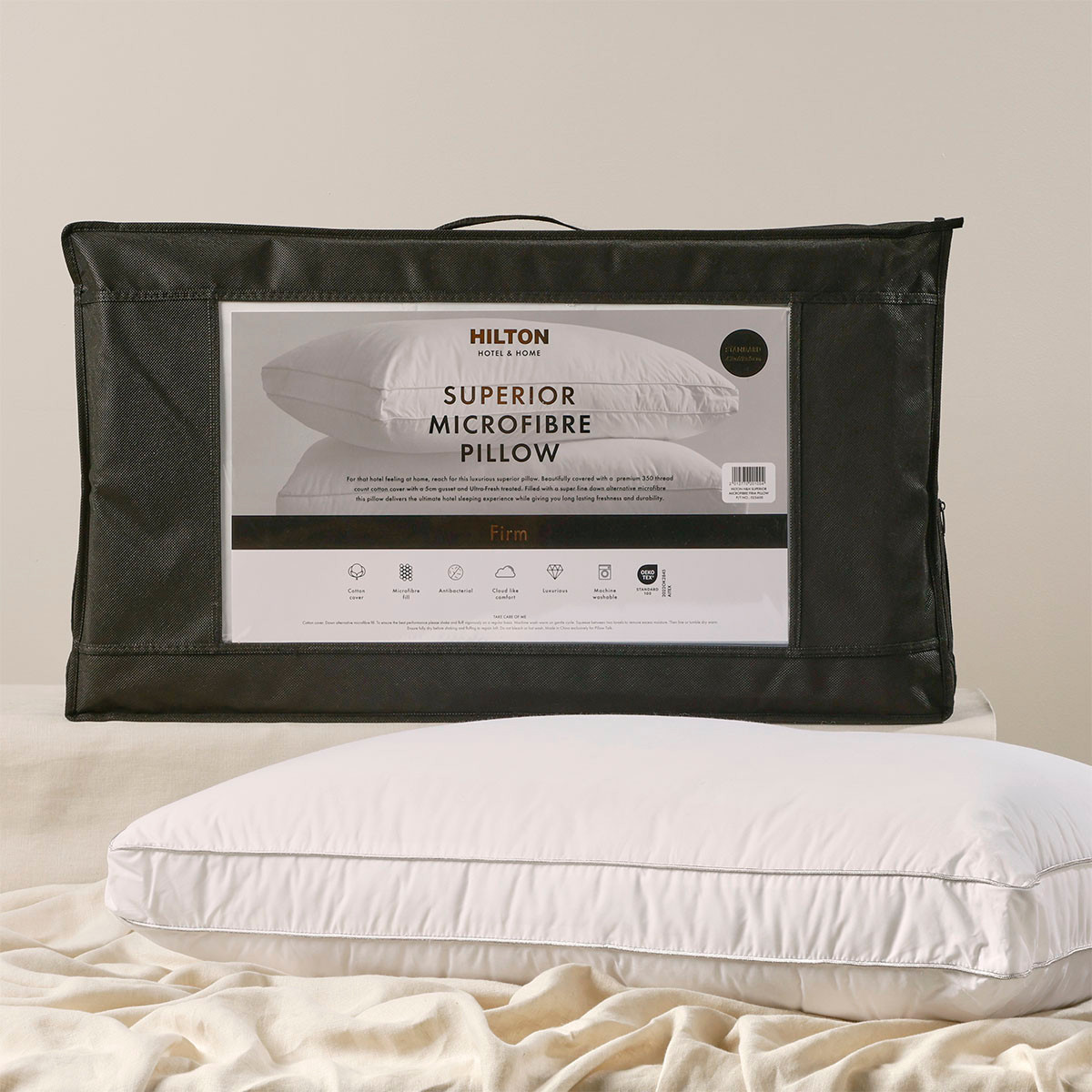
With the Ultra-Fresh® antimicrobial treatment that inhibits the growth of bacteria, helping to keep pillows fresh and hygienic, the Hilton Hotel & Home Superior range is a great option for those looking for a hypoallergenic pillow. Featuring a down alternative microfibre fill, the Superior range is machine washable and available in standard, queen, king and European pillow sizes to suit your bedding needs.
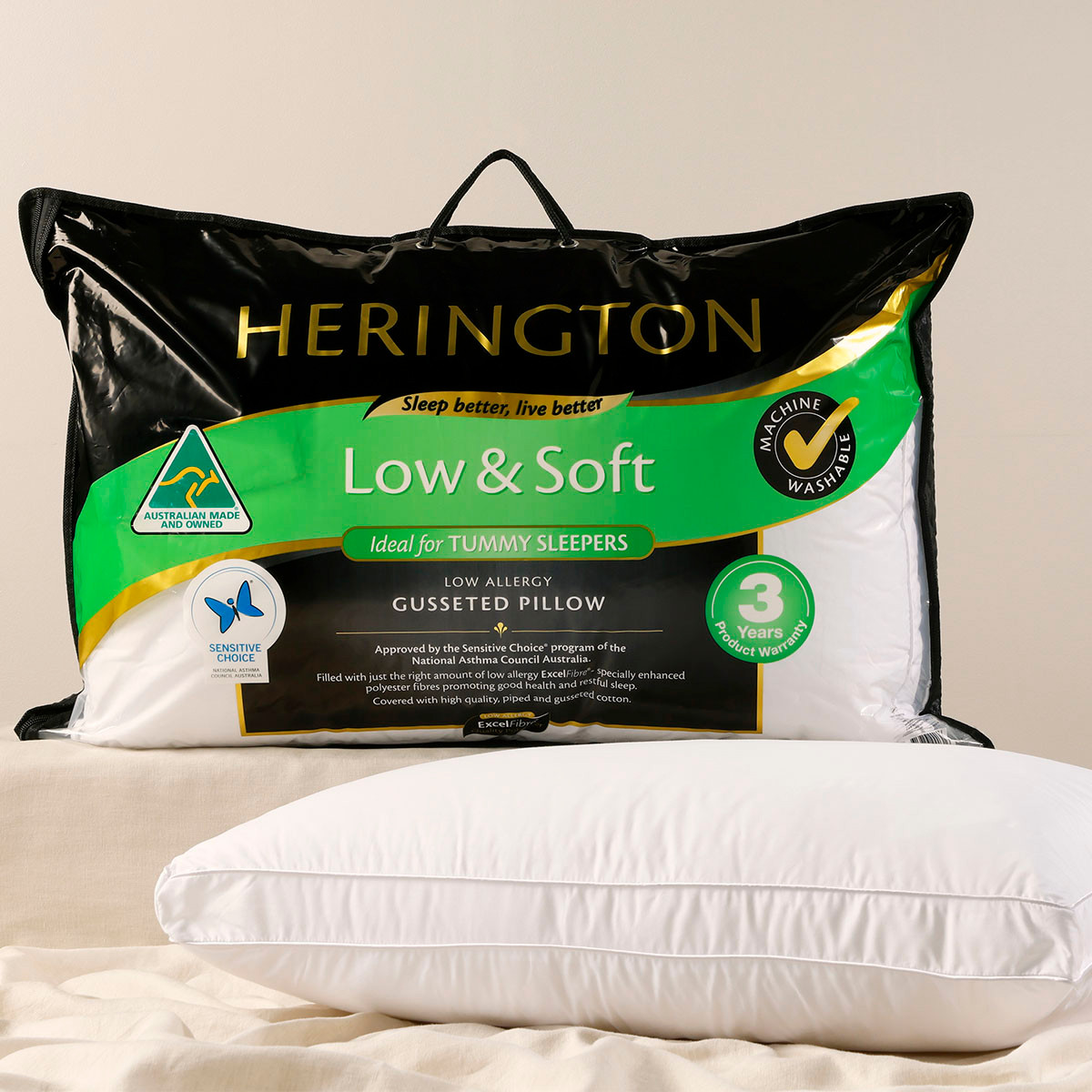
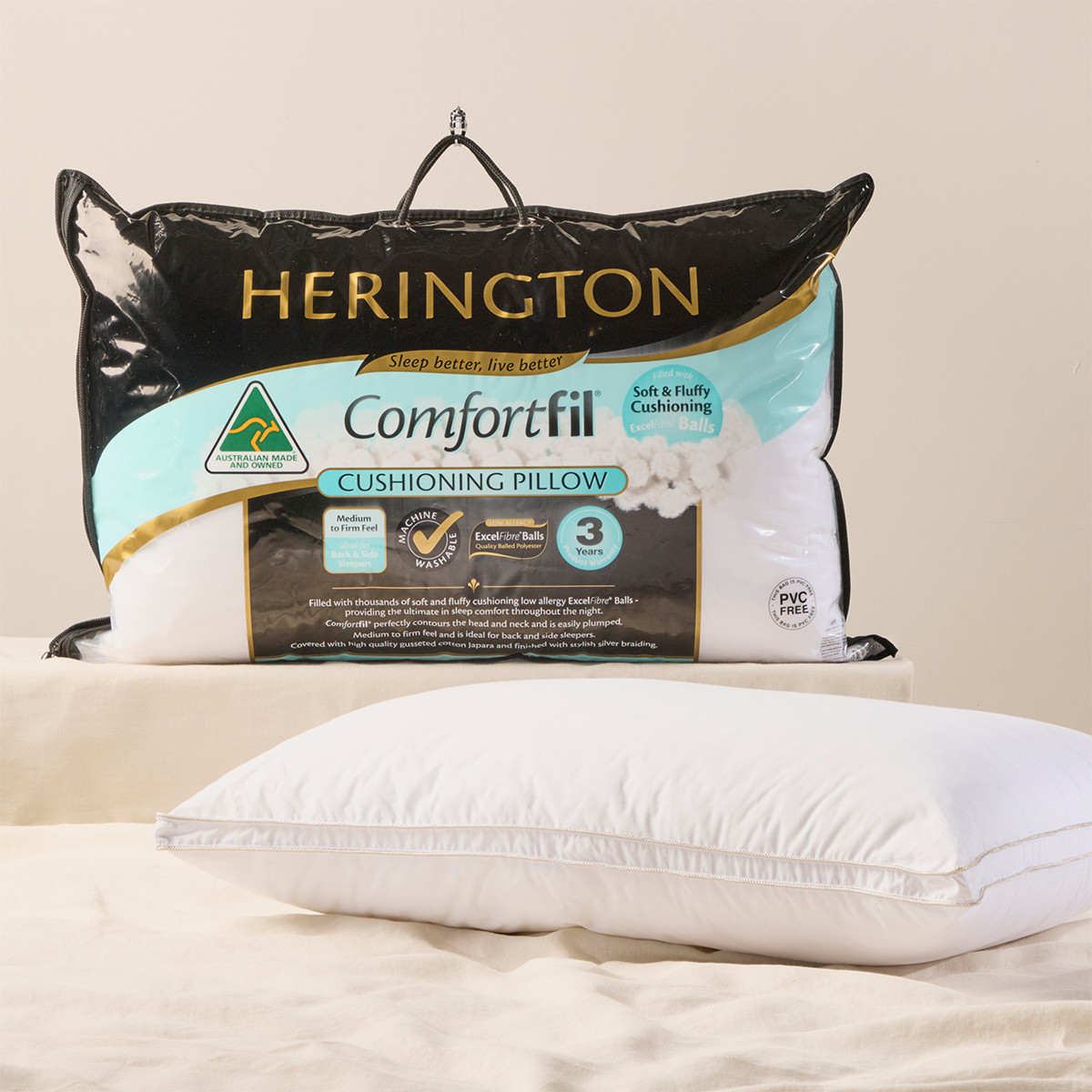
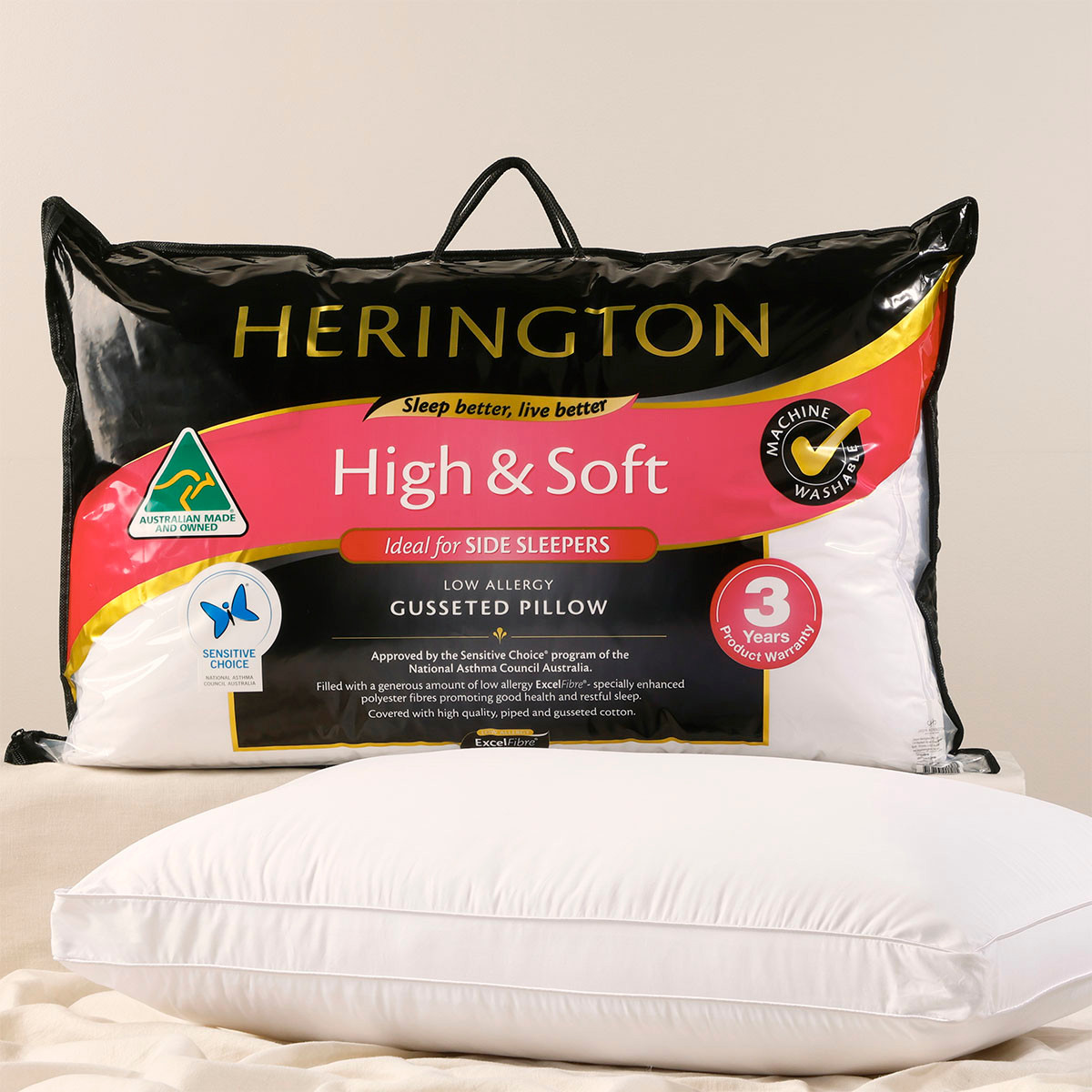
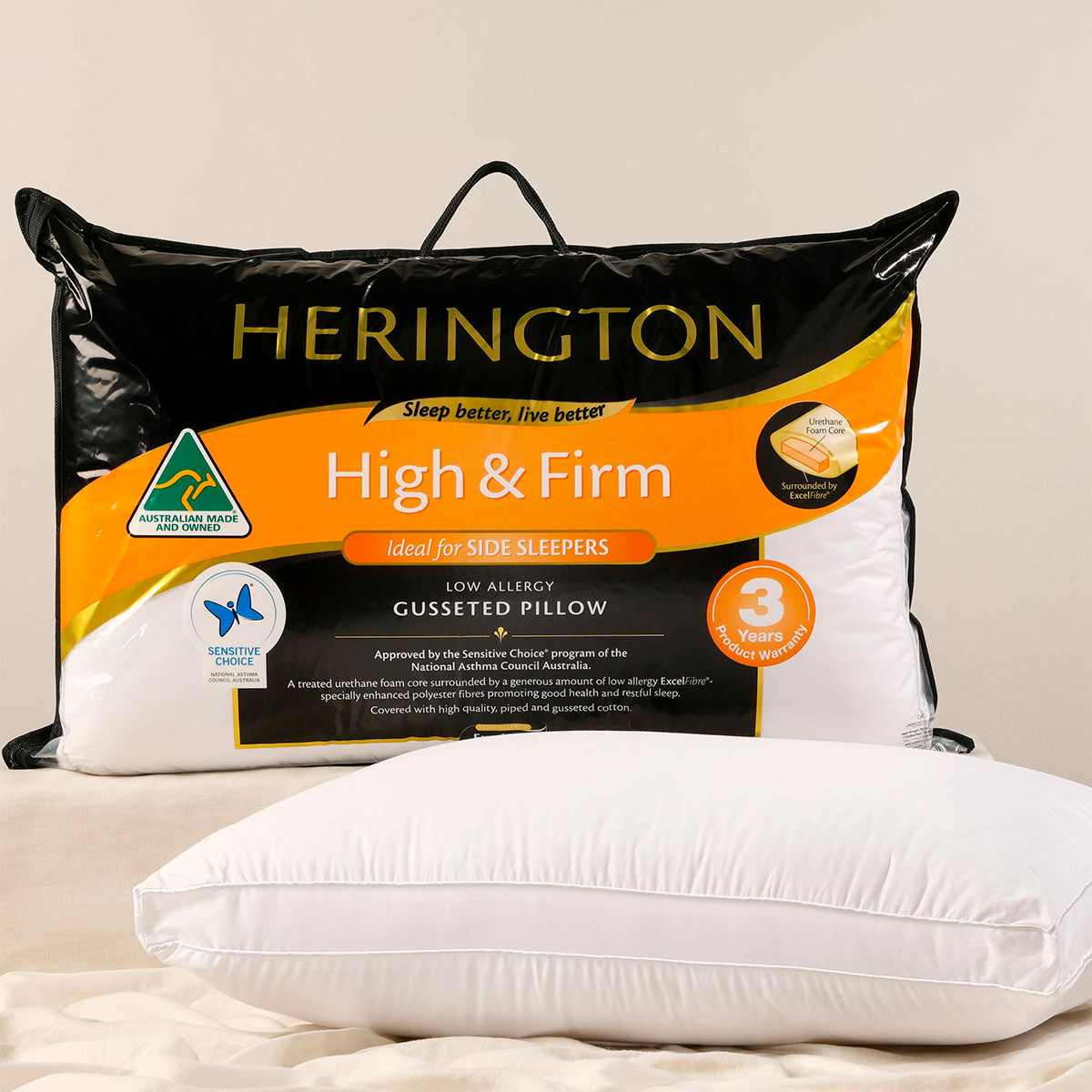
Approved by Sensitive Choice of National Asthma Council of Australia as suitable for asthma and allergy sufferers, Pillow Talk’s range of Herington pillows are a great option. Made in Australia from quality fibre which is treated to prevent dust mites, one of the major triggers for asthma and allergy sufferers, these pillows are durable and machine washable for easy care.
Even the best “hypoallergenic” pillow works best as part of a clean, low-allergen sleep setup. Here are practical habits that make a noticeable difference- especially if dust mites are your main trigger.
Use a hypoallergenic pillow protector (always)
A protector adds an extra barrier between you and common allergens (especially dust mites and their allergens), and it’s much easier to wash than the pillow itself.
Wash your pillowcase and protector regularly
Regular washing helps reduce allergen load, so making sure to wash your pillowcases and pillow protectors regularly will help reduce allergies.
Keep pillows dry and well ventilated
Common allergens such as dust mites and mould prefer humid conditions, so having good airflow and reducing moisture helps keep your sleep environment less friendly to allergens. Easy wins can look like:
Airing your bed each morning (pulling back the covers for 15-30 mins)
Avoid going to bed with wet hair
If your room is humid, consider a dehumidifier
Replace pillows when they’re past their best
Old pillows can hold onto more allergens or moisture over time. If you’re wondering whether your pillow is due for replacing, check out our blog on the topic: How Often Should You Replace Your Pillow?
Frequently Asked Questions
1. Are bamboo pillows hypoallergenic?
Sometimes—but not automatically. “Bamboo” in pillows usually refers to a bamboo-derived fabric cover (often bamboo viscose/rayon blends), or bamboo fibres used in the pillow’s outer layers. These can feel cooler and manage moisture, but “bamboo” alone doesn’t guarantee dust-mite resistance.
2. Are duck feather pillows hypoallergenic?
It depends on what you’re allergic to! For those who suffer from dust mite allergies, feather pillows with anti-dust mite treatments can be hypoallergenic. Pillow Talk’s range of duck feather pillows has been treated with the Greenfirst® natural anti-dust mite treatment, making them more friendly for those who suffer from allergies. If you are allergic to feathers or feather/down proteins, anti-dust mite treatments won’t necessarily help so it may be better to opt for a microfibre or down alternative fill.
3. Are goose down pillows hypoallergenic?
Similarly to duck feather pillows, it can depend on what you’re allergic to. While anti-dust mite treatments can assist with reducing dust mite allergens, for those who react directly to down/feather proteins a down-alternative microfibre will be the better option. If you’re looking to make your goose down pillow more hypoallergenic, a hypoallergenic pillow protector can help.
4. Are memory foam pillows hypoallergenic?
Often, yes! Memory foam’s dense structure is commonly considered less hospitable to dust mites, but hygiene still matters. Opting for memory foam pillows that feature a removable cover can make keeping your pillow hygienic much easier, helping to keep allergens low.
Final Tips: “Hypoallergenic” works best as a system, not a single product
If allergies are a real issue for you, the most reliable upgrade is usually a combination of steps!
Using a hypoallergenic pillow with an anti-dust mite or antimicrobial treatment
Using a pillow protector and washing it regularly
Keeping bedding clean with regular washing and good ventilation
Choosing a hypoallergenic pillow is a great first step toward calmer, clearer sleep especially when paired with a good maintenance routine. Look for materials and features that help limit allergen build-up, then lock it in with a quality pillow protector and regular washing. With the right pillow plus consistent care, you can reduce everyday irritants like dust mites and moisture and wake up feeling more comfortable and refreshed.
A thoughtful pillow choice paired with simple care habits can make a meaningful difference to sleep quality, especially for allergy sufferers. Explore Pillow Talk’s range of hypoallergenic pillows and protectors to create a cleaner, more comfortable sleep environment.
Rachel is a Product Specialist at Pillow Talk Australia with over six years’ experience. From fibres and fills to finishes, she demystifies the details and shares easy styling, care and cleaning tips so your home looks great and functional.